
Have you ever used social media for healthcare information or advice? If the answer is yes, you’re not alone. A 2025 survey found that 3 out of 5 adults use social media for healthcare advice and information at least occasionally—that’s 55%. This includes a large portion of Black and Hispanic adults and Gen Z and Millennials.
With the growing intersection of social media and healthcare, many people become vulnerable to misinformed healthcare trends. From drinking borax water to help reduce joint pain, to using beef tallow for glowy skin, healthcare trends found on social media can be dangerous and detrimental.
Among all the social media health trends, GLP-1 medications have taken the lead as the most influential. A Wall Street Journal article stated that as of 2023, there had been over a billion views for posts that use #Ozempic on TikTok. Additionally, there had been more than 2.2 million public posts about the drugs on YouTube, X, and other platforms in 2023. That’s more than the number of posts under #mouthtaping, #beeftallow, and #cholorophyllwater combined.
Social Media's Impact on Sales
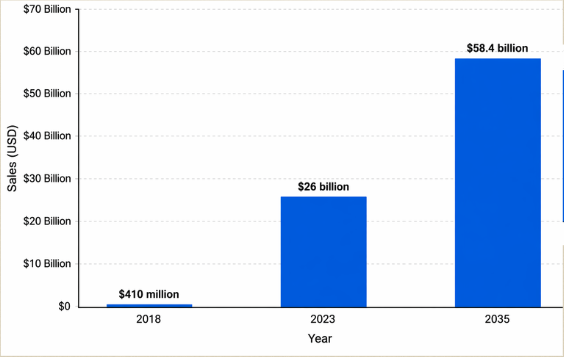
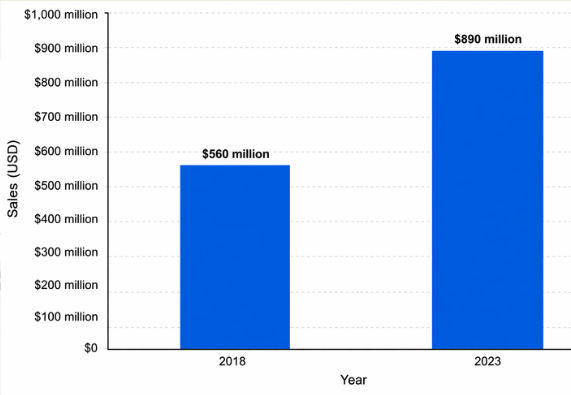
According to the American Medical Association, companies like Ozempic and Wegovy were worth billions in 2023, with Ozempic at $26 billion and Wegovy at nearly $7 billion. By 2035, it is projected that Ozempic will have $58 billion in sales. Although some of their sales growth was due to medical reasons, much of its growth was due to its popularity on social media.

Celebrity Usage and Influence on Social Media
Celebrities and their influence go hand in hand with social media. Many notable celebrities and public figures have credited GLP-1’s for their weight loss. Some figures who have opened up about their usage include Megan Trainer, Elon Musk, Serena Williams, Charles Barkley, Oprah, and Whoopi Goldberg. Specifically, Serena Williams has a partnership with Ro, a telehealth healthcare company that provides GLP-1 medication and one-on-one healthcare support through their app. Williams has endorsed Ro and the medication through her social media platforms.
According to an article from the Petrie-Flom Center at Harvard Law, celebrity endorsements can drive market trends, revealing the intertwined nature of social media and influencers. Other companies that have seen a boost in sales after celebrity media include:
- Jennifer Anniston’s public use of the Oura Ring
- Charlie D’Amelio’s partnership with Dunkin
- The Weekend and George Clooney’s partnership with Nespresso
Misleading Information on Social Media
With the rise of GLP-1s, there has also been a plethora of misinformation circulating about them. A 2025 study from the National Library of Medicine found that a large portion of health-related content online is often inaccurate, lacks proper medical context, and is often posted by users with no medical background.
The study analyzed TikToks about GLP-1’s and found that the majority of the posts were made by users, not medical professionals or news organizations. The videos often failed to mention side effects of the medication and showed that it was repeatedly used for weight loss, not for Type 2 diabetes (its dedicated usage).
It’s also important to note that many of the videos and clips about GLP-1’s are from personal experience. The spectrum of reactions, stories, information, and anecdotes that are available on social media is so vast and subjective. It’s nearly impossible to predict how it would impact oneself. With the extensive amount of content on social media related to GLP-1s, fewer and fewer posts remind users that results will vary from person to person.
Social Media's Reaction and Censorship
As a result of the explosion of information about GLP-1s, social media platforms like Instagram and TikTok have reacted with some forms of censorship. In 2025, TikTok banned the hashtag “SkinnyTok.” Today, if you search up phrases like “Ozempic,” “weight loss,” or “skinny,” a pop-up screen stating, “You are more than your weight,” shows up.
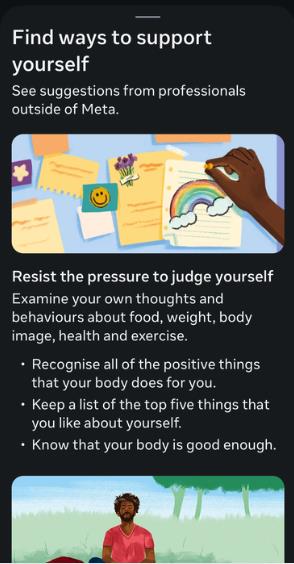

This is similar to Instagram, where a screen with resources pops up before you can opt to bypass and view the content. The debate about whether social media should continue to censor misleading, harmful, and dangerous content surrounding sensitive healthcare topics continues. Should social media platforms be responsible for censoring and filtering misleading information? How do they distinguish between what to censor and what’s okay to show?
Positives of Social Media in Healthcare
While there are risks to posting healthcare information on social media, it is also important to recognize that social media can have a positive impact within healthcare. It can increase awareness, provide support for communities, and even make health information more accessible to people who otherwise might not have access.
Platforms like TikTok and Instagram have become hubs for talking about and sharing experiences about certain health conditions, especially conditions that have been deemed “taboo” in the past. By fostering a sense of community that is reputable, healthcare professionals can thrive with content posted on social media.
Some of the most popular healthcare hashtags and topics that have been gaining traction include:
- #PCOS
- #endometriosis
- #celiac
- #OCD
- #insomnia
- #diabetes
How Media Professionals Can Help
As media professionals, it’s crucial that the information put out to the public is accurate, ethical, and honest. When it comes to healthcare information, agencies must stay digitally literate, vet any healthcare information, and fact–check all sources and statements. Healthcare and social media can absolutely be successful, but it should be a top priority to keep the information truthful and informative. The number of adults using social media for healthcare and medical advice is growing, so it’s critical to remain vigilant, ask questions, and stay media literate.